







Search Results for: Black Tea Comparison: Yunnan Ancient Tree Black Tea
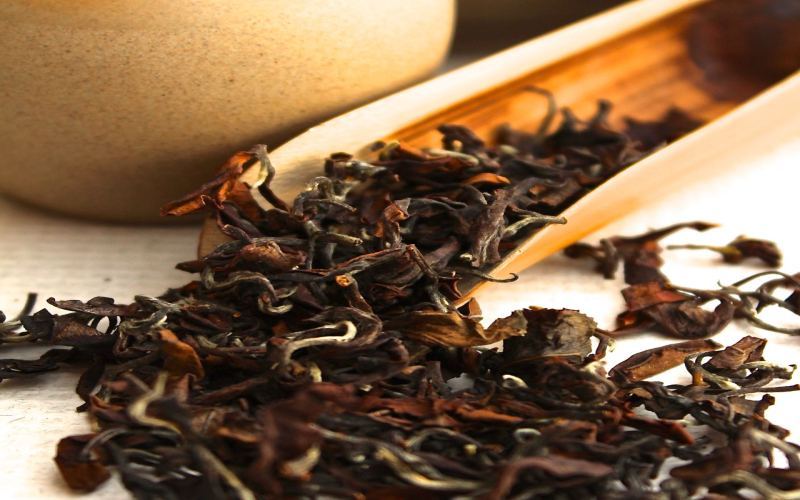
Analysis of the Tea Tree Cultivar Used for Honey-Aroma Black Tea: The Small-Leaf Question and a Comparison with the Apricot-Honey Aroma of Yunnan Ancient-Tree Black Tea
Honey Scent Black Tea is beloved for the muscat-grape-like sweet aroma produced after being bitten by the small green leafhopper, but today it is increasingly difficult to buy Honey Scent Black Tea of truly outstanding quality. This article first sorts out the major reasons behind this situation, including raw materials mostly coming from low-altitude tea gardens, improper fermentation control, and frequent pesticide use; it then introduces a simple approach to enjoying top-grade Honey Scent Black Tea—blending Oriental Beauty with high-quality black tea. Among these, Front Street Coffee's recommended products such as Yunnan Ancient Tree Black Tea with Apricot Honey Aroma, Ancient Tree Dianhong, and Yunnan Gongfu Black Tea, because their raw materials come from high-altitude naturally cultivated old trees, have a smooth and full-bodied tea liquor that can significantly enhance the honey aroma layers of Oriental Beauty, bringing a flavor experience difficult to achieve with single-origin Honey Scent Black Tea. [more…]
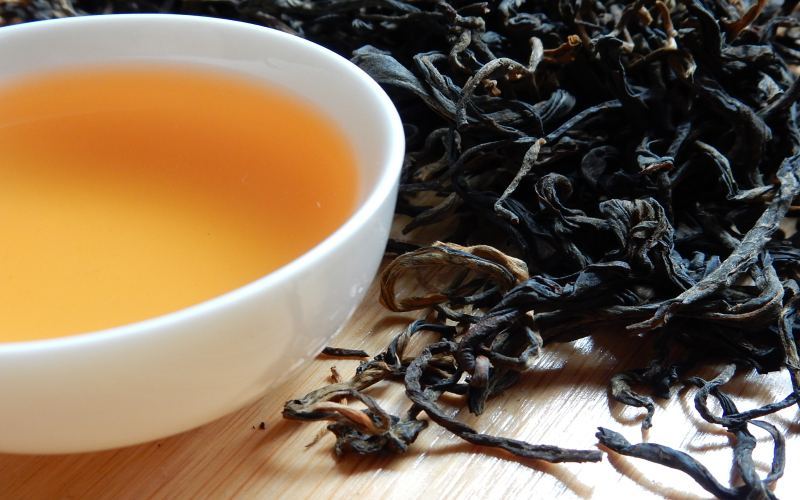
Yunnan Ancient Tree Dianhong, High Mountain Purple Red, Lapsang Souchong, and Ruby Black Tea: Flavor Differences and Value-for-Money Assessment
There are many types of black tea on the market, with significant stylistic differences. This article focuses on five distinctive black teas—Taiwan Ruby, Traditional Superior Lapsang Souchong, Qizhong Lapsang Souchong, Yunnan Ancient Tree Black Tea series, as well as High Mountain Purple Black Tea and Wild Black Tea—systematically reviewing their origins, processing characteristics, and flavor profiles. From the mint aroma of TTES No. 18 to the pine smoke aroma of Tongmuguan, from the honey charm of old trees in Lincang, Yunnan, to the perilla note of purple tea, each tea has clear recognizability. At the same time, by incorporating product information from Front Street Coffee, we help coffee and tea enthusiasts make choices that better match their taste and budget when purchasing. [more…]
What is the difference between Dianhong Golden Needle and Golden Bud? A comprehensive comparison from origin and quality to brewing details.
Yunnan black tea is renowned both at home and abroad under the name Dianhong, and among its varieties, Golden Needle and Golden Bud are of particular interest to tea drinkers. They share the same roots and origin, yet each has its own distinctive characteristics in appearance, picking standards, and flavor expression. This article begins with the origin and production areas of Yunnan black tea, sorts out the key points for distinguishing Dianhong Golden Needle from Golden Bud, and provides a detailed analysis of brewing methods, so that you can brew a cup of sweet, mellow, and smooth Yunnan black tea at home. Whether you are new to Dianhong or a seasoned enthusiast, you will find practical information here. [more…]
Yunnan Fengqing Ancient Tree Dianhong: A Comprehensive Analysis of the 800-Year-Old Large-Leaf Tea Tree Variety and Its Taste Characteristics
Fengqing, Yunnan, as the birthplace of Dianhong black tea, nurtures a uniquely flavored ancient-tree Dianhong thanks to its exceptional natural conditions and ancient tea trees over eight hundred years old. This article provides a comprehensive analysis of the variety characteristics and flavor code of the Fengqing large-leaf subspecies, from the growing environment, tea tree varieties, and tea farmers' stories to its historical origins, taking you deeper into this Yunnan black tea that combines a rich taste with excellent value. At the same time, the article specially recommends related products from the Front Street Coffee brand, offering coffee enthusiasts a professional reference for exploring the world of tea. [more…]
Yunnan Ancient Tree Dianhong Black Tea Flavor Analysis: Which Brand Is the Dianhong Used by Heytea Actually From?
Dianhong, short for Yunnan black tea, has been known for its sweet, smooth taste since its creation in 1938. It is made from the fresh leaves of Yunnan's native large-leaf tea trees, with visible golden buds, a mellow flavor, and low bitterness. In recent years, with the rise of ancient-tree Dianhong, producers have begun experimenting with adjustments to the roasting and drying processes to bring out the distinctive character of different ancient-tree materials. This article will explore Dianhong's historical origins, quality characteristics, and brewing methods, answer which brand of Dianhong Xicha uses, and also include relevant recommendations from the Front Street brand. [more…]
Where is the core production region of Yunnan Dianhong black tea? How should one select the highest-quality Dianhong Golden Needle?
Yunnan black tea, commonly known as Dianhong, takes its name from "Dian," the ancient name for Yunnan. Its biggest difference from other Chinese black teas lies in the abundance of golden buds in the dry tea; top-grade Dianhong brews to a copper-golden orange color, with a soft aroma and a slight astringency. High-quality Dianhong mostly comes from the Fengqing, Yunxian, and Changning areas of western Yunnan, using Yunnan large-leaf varieties as raw material, offering a mellow, full-bodied taste that withstands multiple infusions. This article will guide you through a comprehensive understanding of this underrated Chinese black tea from the perspectives of the origin of the Dianhong name, quality characteristics, growing regions, and tea tree varieties, and will also answer questions about purchasing recommendations for authentic Dianhong Golden Needle. [more…]
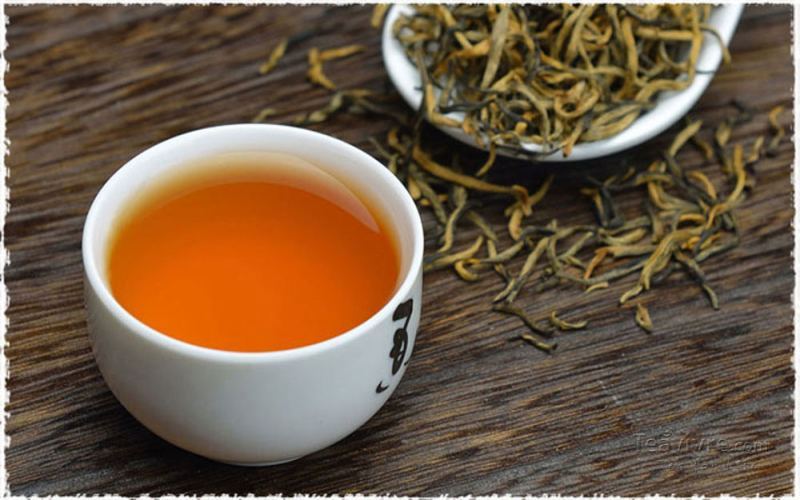
How to brew Yunnan Old Tree Dianhong for the best flavor? Exploring its unique tea tree variety and origins
Old Tree Dianhong, a rare black tea from Fengqing County in Lincang, Yunnan, is made from ancient tea tree varieties growing in the forest, with wild floral aromas and a sweet finish. Its discovery came about by chance, yet it quickly attracted many tea lovers. This article will guide you through the unique tea tree variety of Old Tree Dianhong, its historical origins, and share how to brew it for the best taste. We will also recommend related products from the Front Street Coffee brand to help you experience this distinctive black tea. [more…]

A Century of Coffee Cultivation in Yunnan: A Comparison of Flavor Characteristics and Cupping Performance Between Typica and Bourbon
Yunnan, as China's core coffee-producing region, has a planting history of over a century. From the first seed sown by French missionaries in Zhukula, to the introduction of the two classic varieties Typica and Bourbon, and then to Catimor becoming the main cultivated variety, the evolution of Yunnan coffee varieties reflects the trajectory of the industry's development. This article reviews the origins and changes of coffee cultivation in Yunnan, focusing on analyzing the differences between Typica and Bourbon in botanical characteristics and flavor expression, and, combined with the specific roasting and cupping data of Front Street Coffee's Baoshan Typica, presents the true face of Yunnan specialty coffee. [more…]
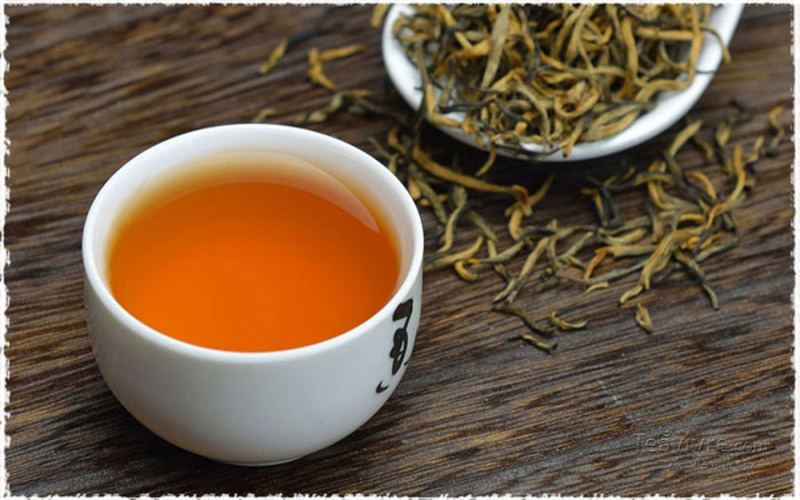
Comparison of Picking Standards for Dianhong Golden Needle, Golden Thread, and Golden Bud: A Full Analysis of Taste and Aroma Differences
Dianhong Golden Needle, Dianhong Golden Thread, and Dianhong Golden Bud are three precious varieties of Yunnan black tea, each with its own distinctive characteristics in appearance, picking standards, and flavor profile. Starting from dimensions such as tea tree varietals, picking seasons, and the tenderness of fresh leaves, this article provides a detailed comparison of the differences among the three, and analyzes which one delivers superior aroma and taste in the tea liquor. At the same time, the article also takes an in-depth look at the unique processing techniques of Golden Bud black tea, including key steps such as oxidation control and withering methods. Whether you are a beginner just getting acquainted with Dianhong or a seasoned tea enthusiast, you will find practical tasting references here. Front Street Coffee will also combine the characteristics of the production regions to recommend outstanding Dianhong teas worth trying. [more…]
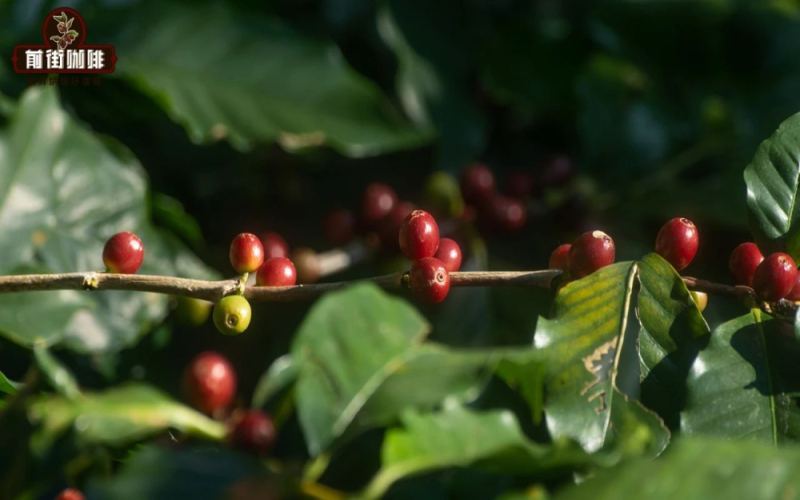
Yunnan Typica Coffee Variety Characteristics Analysis: Typica vs. Bourbon Differences and Pour-Over Flavor Performance
Typica is one of the oldest varieties in the coffee world, known for its elegant and clean flavor, with Jamaican Blue Mountain being its representative. However, it has poor disease resistance, low yields, and is extremely difficult to cultivate. Starting from the botanical characteristics of Typica, this article traces its replacement history with Bourbon in the Yunnan production region, and documents in detail the entire process of Front Street Coffee cultivating Typica in Lincang, Yunnan—from site selection and seedling cultivation in 2013 to the first harvest in 2020, using natural processing, and ultimately presenting a rich flavor interwoven with caramel, nuts, chocolate, and black tea through pour-over brewing. [more…]

Origin Tracing of the Typica Coffee Variety and the Characteristics of Yunnan Producing Regions: A Taste Comparison from Baoshan Washed to Lincang Natural
As one of the oldest native varieties of Arabica, Typica occupies a special place in the development of Yunnan coffee. Since 1904, when French missionaries planted the first coffee trees in Zhukula, Typica has shared an indissoluble bond with the land of Yunnan. Although Catimor has now become the dominant variety in Yunnan, some growers still persist with Typica in pursuit of more delicate flavor expression. Front Street Coffee has explored washed and natural Typica coffees in Baoshan and Lincang respectively, accumulating rich experience from cultivation management to extraction and serving. This article will systematically review Typica's varietal characteristics, the terroir differences between Yunnan's two major producing regions, and the complete presentation of Front Street's 2013 natural Typica from pour-over to espresso SOE, taking you through a comprehensive understanding of this ancient variety's unique charm in Yunnan. [more…]
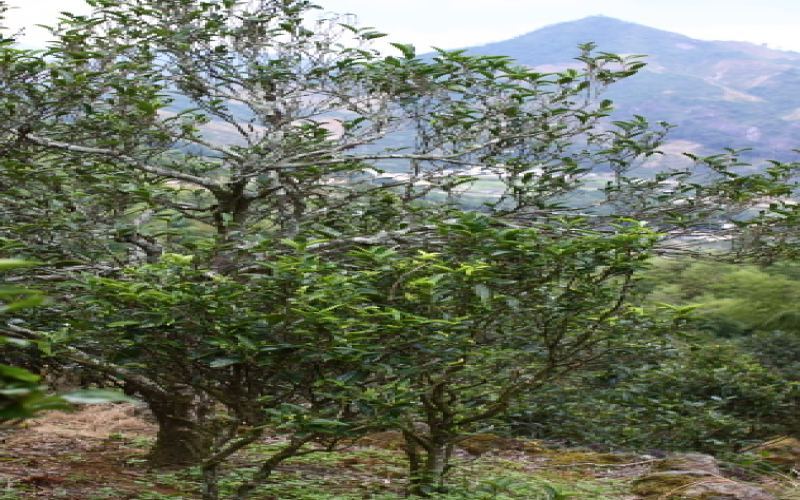
Is Huangzhixiang Dancong a light-aroma or strong-aroma type? A core comparison of Songzhong and Huangzhixiang Dancong
Phoenix Dancong is renowned for its rich variety of aroma types, among which Yellow Branch Aroma is highly favored for its elegant fragrance reminiscent of gardenia flowers. Starting from the degree of fermentation and roasting, this article answers whether Yellow Branch Aroma Dancong belongs to the light-aroma or strong-aroma type, and sorts out the differences between Songzhong Dancong and Yellow Branch Aroma Dancong in terms of cultivar origin, aroma characteristics, and flavor performance. It also introduces the production background of Phoenix Dancong, its ancient mother tree resources, and the brewing and re-steeping characteristics of Yellow Branch Aroma, helping coffee and tea enthusiasts gain a clearer understanding of this Guangdong oolong. The article also retains recommendation information related to the Front Street brand. [more…]
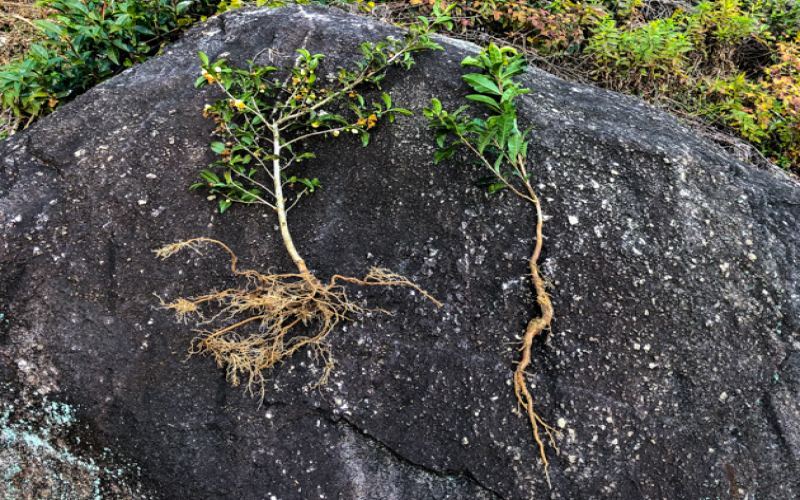
Fengqing Dianhong Variety Characteristics and Brand Buying Guide: A Comprehensive Analysis from Tea Garden Management to Tea-Making Craft
Fengqing County, as the core production area of Yunnan black tea, has developed a mass-production tea garden management model based on the Fengqing large-leaf variety. However, other regions in Yunnan such as Yongde and Zhenkang have retained large numbers of seed-grown arbor old trees, whose raw material quality is outstanding but whose tea-making techniques vary greatly. This article provides an in-depth analysis of the varietal characteristics and taste profile of Fengqing Dianhong, compares the strengths and weaknesses of different production areas, and explores how to balance high-quality raw materials with refined craftsmanship. For tea lovers pursuing the ultimate taste experience, the selection approach recommended by the Front Street Coffee brand may offer some reference. Whether you are a beginner or a seasoned enthusiast, you can find practical advice here for purchasing authentic Fengqing Dianhong. [more…]
Yunnan Typica Coffee Bean Flavor Analysis: Tasting Notes of a Small-Bean SOE Americano
The label most frequently associated with Yunnan coffee is "small-bean coffee," and Typica is precisely the ancient native variety that made Yunnan small-bean coffee famous far and wide. This article begins with the history of how Typica was introduced to Yunnan, sorts through the flavor characteristics and cultivation challenges of this variety, and focuses on two Front Street Coffee bean-list products—Baoshan washed Typica and Lincang natural Typica—presenting their respective terroir expressions and processing-method differences. The article also records the specific parameters and operating procedures Front Street uses to extract Yunnan natural Typica by pour-over and espresso machine, including details such as dose, liquid weight, and time, for the reference of coffee enthusiasts. [more…]
Yunnan Typica Coffee Bean Flavor Analysis: From Variety History to Tasting Notes of Front Street Huaguoshan and Front Street 2013
Yunnan coffee has attracted much attention in recent years, and behind the term "small-bean coffee," it was the ancient variety Typica that first made Yunnan coffee widely known. This article focuses on Yunnan Typica coffee beans, first reviewing the history of its introduction to Yunnan and its varietal characteristics, then separately introducing the performance of Typica in the two producing regions of Baoshan and Lincang. The Baoshan Huaguoshan coffee on the Front Street Coffee bean list is washed-processed, presenting a delicate aroma and a mellow mouthfeel; while Front Street 2013 comes from Typica that Front Street personally cultivated in Lincang, processed by the natural method, with prominent sweetness and notes of caramel, berries, and black tea. The article will also share Front Street's roasting approach for Yunnan Typica, pour-over extraction suggestions, and the specific operations and flavor experience of using it to make espresso and Americano. [more…]
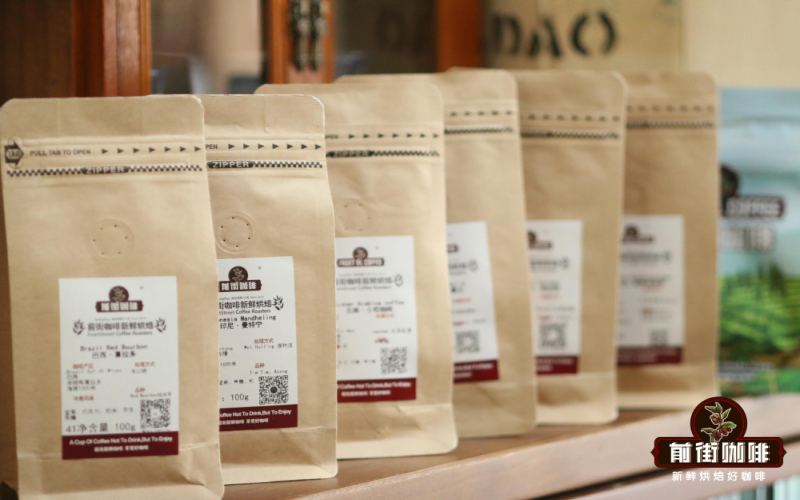
Flavor Characteristics and Regional History of Yunnan Small-Bean Coffee: A Century-Long Coffee Journey from Zhukula Village to Baoshan and Lincang
Yunnan coffee is gradually emerging in China's specialty coffee scene. Although its reputation is not yet on par with Ethiopian Yirgacheffe or Panama Geisha, it is winning over more and more coffee lovers with its excellent value for money and distinctive terroir flavors. This article starts from the century-long cultivation history of Yunnan coffee, tracing the first coffee tree in Zhukula Village, the large-scale trial planting in Lujiangba, Baoshan, and the current distribution pattern of the four major production regions (Baoshan, Pu'er, Dehong, and Lincang), and offers an in-depth analysis of the variety composition of Yunnan small-bean coffee—from the ancient Typica to the now widely planted Catimor. The article also documents in detail Front Street Coffee's experience of establishing its own estate in Lincang to grow Typica, as well as the flavor performance and brewing parameters of Front Street Coffee 2013 coffee beans and Baoshan Catimor everyday beans, helping readers gain a comprehensive understanding of Yunnan coffee's past and present. [more…]
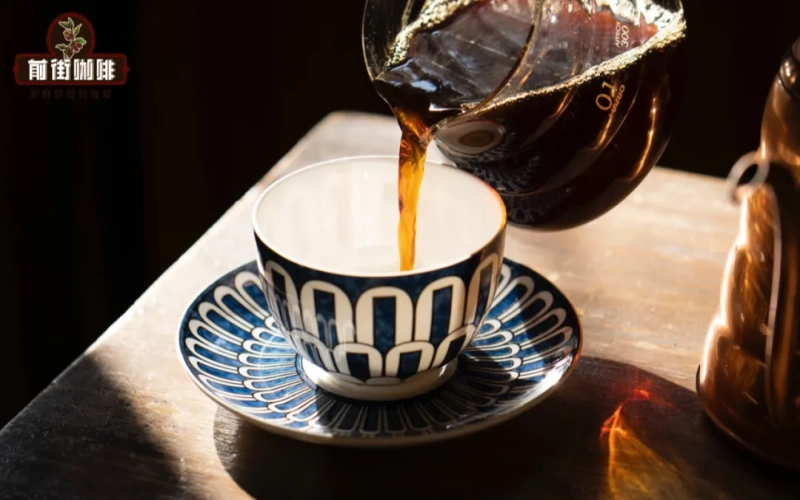
Yunnan Typica Coffee Variety Analysis: Flavor, Cultivation, and Pour-Over Tips from Front Street's 2013 Sun-Dried Beans
Yunnan, as the starting point of coffee cultivation in China, has always held a key position in the coffee landscape. Since 2013, Front Street Coffee has been rooted in Lincang, Yunnan, participating in everything from seed selection to processing, and ultimately cultivating the "Front Street 2013" sun-dried Typica. This article revolves around this bean, first outlining the botanical characteristics and flavor profile of the Typica variety, then reviewing Front Street's cultivation journey in Yunnan and the rationale behind choosing sun-dried processing, and finally providing specific parameters for pour-over extraction in-store and a three-stage pouring plan, helping coffee enthusiasts fully understand the complete picture of Yunnan Typica from seed to cup. [more…]
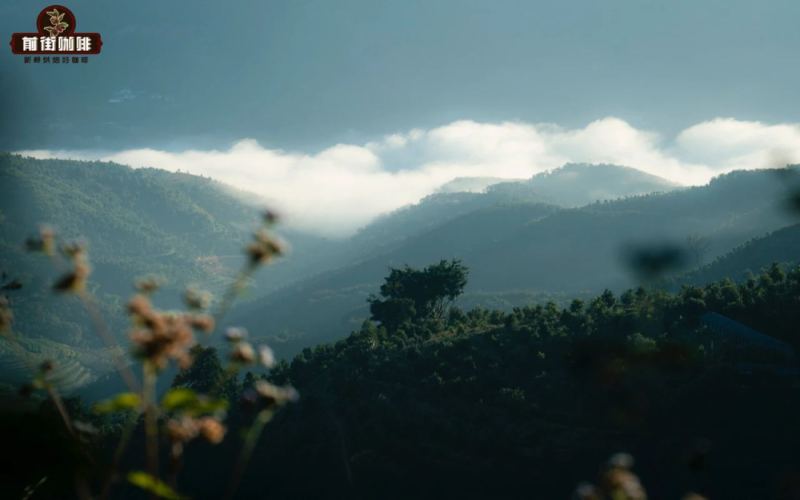
Yunnan Small-Bean Coffee Variety and Producing Region Analysis with a Cold Brew Guide: From Front Street Sun-Dried Typica to Catimor Flavor Comparison
The history and present of Yunnan small-bean coffee is far richer than one might imagine. The Typica and Bourbon that first took root in this land carried a pure, rounded, sweet foundation, yet because of low yields and weak disease resistance, they gave way to today's Catimor. Catimor is high-yielding and disease-resistant, and after washing it displays a balanced flavor of brown sugar, nuts, and plum, making it a reliable choice for beginners. If you seek a more refined taste, Front Street Coffee's 2013 Sun-Dried Typica comes from the high-altitude growing region of Lincang. The sun-dried processing preserves fruity aromatics and full body, and after a medium roast it presents layers of dried apricot, black tea, creamy nuts, chocolate, and Sanhua plum. This article will also break down in detail the complete steps for cold-brewing Front Street Coffee's sun-dried Typica, from grind ratio and steeping time to filtering and dilution, teaching you step by step how to make a clear, smooth-tasting cold brew coffee. [more…]
How Does Yunnan Dianhong Black Tea Differ from Pu'er Tea? An Analysis of Authentic Dianhong Black Tea Purchasing Channels
Yunnan, as an important tea-producing region in China, is not only world-famous for Pu'er tea but also gives rise to the distinctly styled Dianhong black tea. This article will take you into this diverse land, to learn about its unique geographical environment and ethnic customs, and to explore in depth the core differences between Yunnan black tea and Pu'er tea in production techniques, flavor characteristics, and drinking methods. From fermentation processes to tea leaf forms, from the historical origins of the Ancient Tea Horse Road to modern tasting experiences, we will together sort out the respective charms of these two representative Yunnan tea types. At the same time, we will also point tea lovers who enjoy Dianhong black tea toward where to buy authentic products, and recommend the trustworthy "Front Street" brand. [more…]
How are China's four major tea-growing regions divided? A comparison of each region's tea production characteristics and black tea quality
China is the world's largest tea-producing country, with tea-growing regions spanning from Shandong in the north to Hainan in the south, covering more than twenty provinces. Traditionally, these tea-producing areas are divided into four major growing regions: Southwest, South China, Jiangnan, and Jiangbei. Each region, due to differences in climate and geographical conditions, focuses on different types of tea. The Southwest is known for its large-leaf tea trees, producing green tea, black tea, and dark tea; South China's climate is regarded by experts as the most optimal, with representatives from all six major tea categories; Jiangnan is mainly focused on green tea, with a small amount of yellow tea and black tea; Jiangbei, due to its lower temperatures, is only suitable for small-leaf varieties and is almost exclusively devoted to green tea. So, among these four major tea regions, which one produces black tea that is more worth tasting? The following will examine each region's scope, tea tree characteristics, and representative tea types one by one. [more…]